
Mexborough & Swinton Times – Saturday 21 June 1924
The Denaby Tragedy
Remarkable Letters: Jealousy The Motive
Wife And Child Murdered: Husband Takes His Own Life
Lodger’s Terrible Discovery
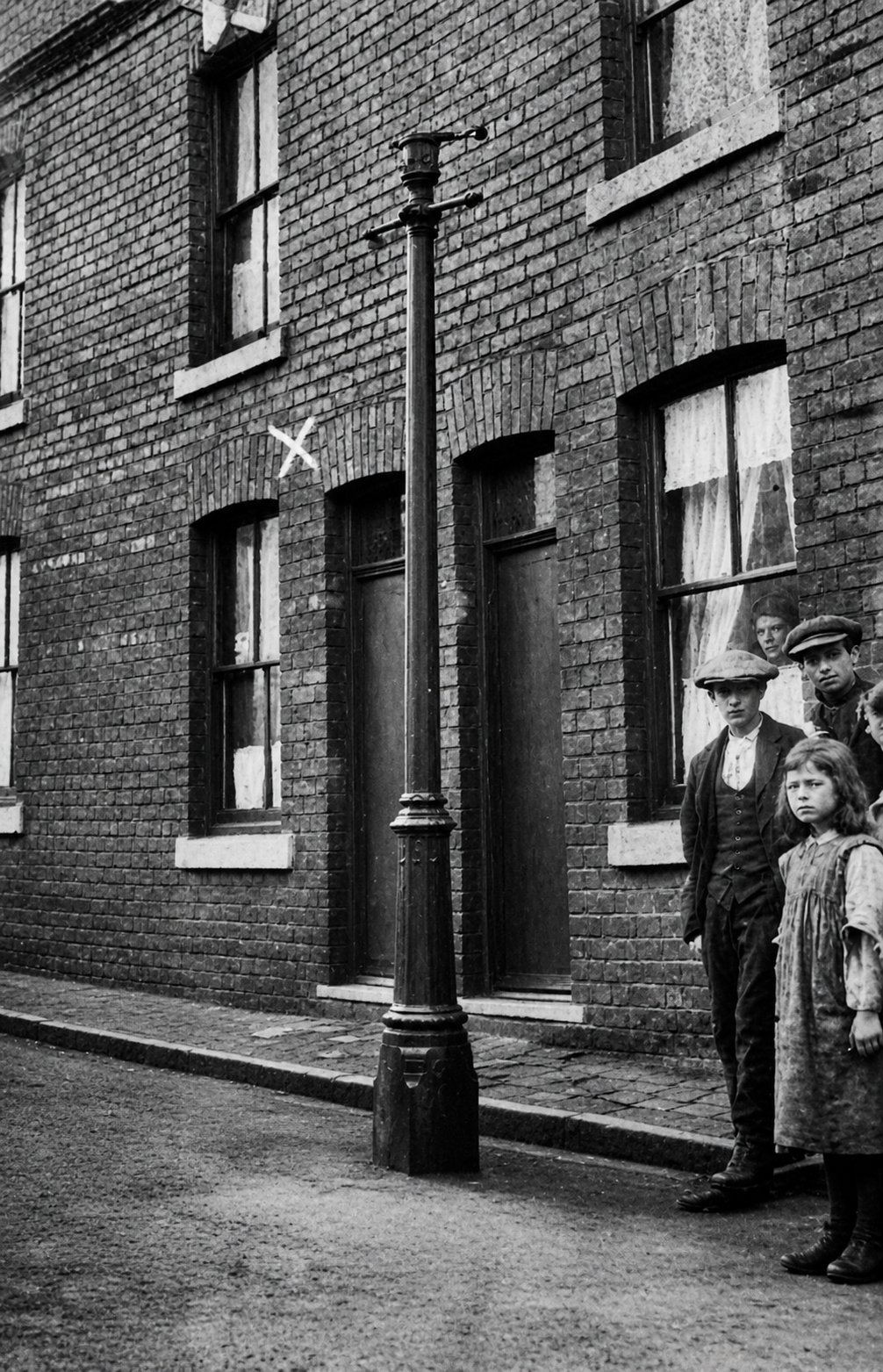
A terrible tragedy occurred at 17, Wadsworth Street, Denaby Main, on Saturday morning about 4-30. Robert Unwin, a toolman employed by the men of No. 2 pit, Cadeby Main, murdered his wife, Jane Unwin, aged 22, his two-year-old daughter, Grace, and took his own life.
Unwin was an ex-serviceman, having served for a year in France during the war in the Royal Inniskilling Fusiliers. He was a prisoner of war in Germany, where it was found necessary to amputate one of his legs. Shortly after the war he was married. His wife, it is reported, having to meet considerable opposition from members of her family. Both her parents were dead, but she had many near relatives living in the district. There is a general opinion among friends and neighbours that Mrs. Unwin was of unusually attractive disposition, and was generally respected and a popular figure in Denaby Main.
Our representative was informed that there had been considerable disagreement and Mr. and Mrs. Unwin had quarrelled frequently. Notwithstanding, the early hours of the terrible affair occurred, neighbours were awakened by cries of “Murder!” and a group gathered in the house to assist the two lodgers, Percy Mellor and Thomas Webb, both miners, who were distressed by the events.
About three in the morning Webb, who was able to sleep, heard somebody descending the stairs. At this time a female voice called out, “Aren’t you asleep yet?” About 4-30 in the morning Mellor was awakened by the cry from Unwin: “Come quickly. Help!” Mellor rushed into the front bedroom, which was occupied by the Unwin family, and found the man lying bleeding over the bed, his throat cut, and both wrists bleeding, near to the body of the child, which lay on the bed, with its throat cut, and apparently dead. At this time Mellor noticed the razor, which was also on the bed. The police and Dr. Ford were warned. At the time when Mellor entered the bedroom Unwin was alive, but unconscious, his hands were twitching, and he groaned in his breathing. Within a few minutes of Mellor’s terrible awakening Unwin was dead.
When P.C. Smith arrived he found, beside the two dead bodies on the bed, the dead body of Mrs. Unwin, lying at the far side of the room, close to the bed, and so severe had been the assault that her head was almost completely severed from her neck.
Mrs. Hanson, of 21, Wadsworth Street, a friend of Mrs. Unwin’s, was able to supply important and interesting information. “The last time I saw Mrs. Unwin alive,” she said, “was last night, as late as half-past eleven, when Jane called and brought some scraps of food and bones for our dog. At that time she seemed quite happy, and I noticed nothing unusual. She was a very bright girl, and we all liked her.” When questioned as to the domestic relations of Unwin and his wife, Mrs. Hanson agreed that they had quarrelled. “But,” she added, “we all quarrel sometimes, and I don’t think they quarrelled more than usual.”
Jealousy was hinted at as the motive for Unwin’s terrible deed, but all the neighbours were aware of the seriousness of any suggestion based merely on rumour.
When members of the British Legion Club—of which institution Unwin was a member for a short time after the war—were questioned as to Unwin’s temperament, some who knew him said he had rather a hasty temper, and was not particularly of a sociable type. However, the disability, the result of the war, may have preyed upon his mind and produced such a disposition.
Crowds gathered around the house from early morning until the afternoon, when the premises were visited by Supt. Minty, of the West Riding Police, at Doncaster. The police were strictly watchful, and soon after the news had reached the neighbourhood efforts were made to keep the house clear of curious and morbid sightseers.
The two lodgers were naturally much upset and were sheltered by neighbours until the inquest was held, at four o’clock in the afternoon.